The Counter Before the Tap: Four Checks for a Same-Game Parlay
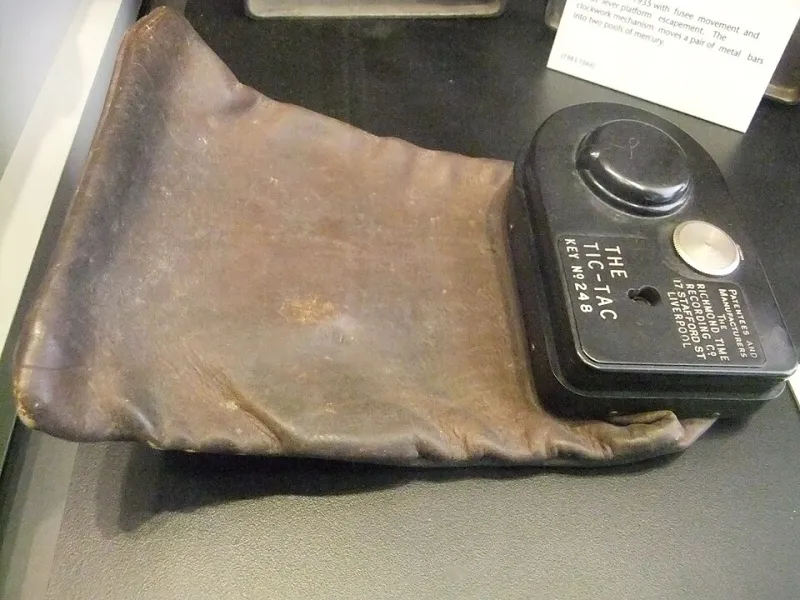
Photo: Rept0n1x, CC BY-SA 3.0, via Wikimedia Commons
Same-game parlays have become one of the loudest products on US sportsbook apps. The pitch is familiar: bundle a few legs from one game, add a boost, and turn a modest stake into a headline number. The presentation is quick, colorful, and designed for a thumb hovering over the place-bet button.
The Czech betting-shop tradition offers a useful counterweight. In the betting shops that shaped the Merkur XTip style, the counter was not merely a transaction point. It was a place where regulars leaned in, asked what a price meant, and heard a clerk or another customer reduce a complicated slip to a plain question. The ritual was not glamorous. It was skeptical.
The four-bar pub test borrows that habit. The name refers to the pub-table conversation that often follows a betting-shop visit: four quick bars to clear before a same-game parlay deserves a stake. The test does not predict outcomes and does not replace a bettor’s own research. It is a screening routine, repeated in 2026, for slowing down a product that is built for speed.
Why the Parlay Needs a Counter, Not a Spotlight
A same-game parlay is not a simple accumulation of separate opinions. The legs are connected by the same game, the same officials, the same weather, and often the same game script. Sportsbooks know this. Their pricing models adjust for correlation, and their margins are built into the final quote. The promotional language tends to hide that arithmetic behind a boost or a badge.
A counter conversation does the opposite. It asks what the bettor is actually buying. It treats the parlay as a single exposure rather than a collection of independent picks. That shift in perspective is the entire value of the four-bar test: before tapping, the bettor should be able to explain the bet in four sentences, without jargon.
Bar One: Do the Legs Share a Pulse?
The first question is correlation. If two legs depend on the same event, they are not separate bets. They are one bet with two prices attached.
A common US example is an NFL parlay that pairs a quarterback’s passing touchdowns with a receiver’s receiving touchdowns. If the receiver scores, the quarterback likely benefits. If the quarterback struggles, both legs can fail together. The same logic applies to a team moneyline paired with a running back’s rushing total, or an NBA player’s points paired with his assists when the offense runs through him. In baseball, a pitcher’s strikeout total and his team’s moneyline can move together if the start is dominant.
The question is not whether correlation exists. It is whether the bettor is being paid for it. If the legs share a pulse, the parlay is a concentrated opinion. That can be acceptable as entertainment, but it should not be mistaken for diversification. A story is not a portfolio.
Bar Two: Is the Price Doing Any Work?
The second question is price. Same-game parlay pricing is not the same as multiplying independent legs. The sportsbook adjusts for correlation and builds in a margin. A boost may improve the quote, but it does not automatically make the quote good.
US bettors see American odds, while Czech odds boards traditionally use decimal prices. Either format can be converted to implied probability. For positive American odds, the implied probability is 100 divided by the odds plus 100. For negative American odds, it is the absolute value of the odds divided by that value plus 100. The calculation is simple, and it exposes whether a headline number is asking the bettor to believe something unrealistic.
A practical comparison is to estimate the fair price of the parlay and compare it with the offered price. If the gap is wide, the promotion is not a gift. It is a margin with a marketing budget. The bettor should ask what probability the price requires and whether an honest assessment clears that bar. If not, the correct move is to pass.
Bar Three: Are the Lineups Settled?
The third question is lineup certainty. A same-game parlay can look sound at noon and be compromised by a late scratch, a limited role, or a weather change. US leagues provide useful checkpoints: NFL inactive lists arrive about 90 minutes before kickoff, NBA scratches can appear close to tip-off, and MLB lineup cards settle the batting order. College football and basketball add their own uncertainty around availability and rotation.
A leg tied to a player’s role deserves more than a probable designation. The bettor should know whether the player is confirmed to start, whether the workload is secure, and what the sportsbook’s rules say if a leg is voided. Some books void and reprice a parlay; others require every leg to stand. Those rules matter before the bet is placed, not after a leg disappears.
Bar Four: What Is the Exit Plan?
The fourth question is the exit plan. Cash-out is not a guarantee, and an in-play offer is not automatically fair value. Before placing the parlay, the bettor should decide whether the plan is to let it ride, to consider a cash-out at a predetermined threshold, or to treat the stake as sunk entertainment.
This is where the Czech betting-shop habit is most useful: decide before leaving the counter. A bettor who has no exit plan is not managing the bet; the bet is managing the bettor. Responsible-gambling tools such as deposit limits and time checks belong in the same conversation. The parlay should fit inside a budget, not define it.
The Four-Bar Routine in Practice
The routine can be repeated in under two minutes. First, check whether the legs share a pulse. Second, convert the price to implied probability and ask whether it is doing any work. Third, confirm the lineups and the void rules. Fourth, write down the exit plan before tapping.
If any bar fails, the parlay does not necessarily need to be abandoned. It needs to be reduced, reworked, or skipped. That is the difference between a promotional product and a considered bet. The four-bar test is not anti-parlay. It is anti-sloppy. A same-game parlay with independent legs, a fair price, settled lineups, and a written exit plan can be a legitimate entertainment choice. Most promotional bundles are not that, and the counter conversation is designed to reveal the difference.
Merkur XTip Guide’s editorial view is simple: the loudest offer on the screen is rarely the one that rewards scrutiny. The quieter habit, borrowed from the betting-shop counter, is to ask four plain questions before the tap. In 2026, that habit remains the cheapest edge available to a US bettor.