Before the Bet Slip: A Czech-Style Screening Ledger for US Sports Picks
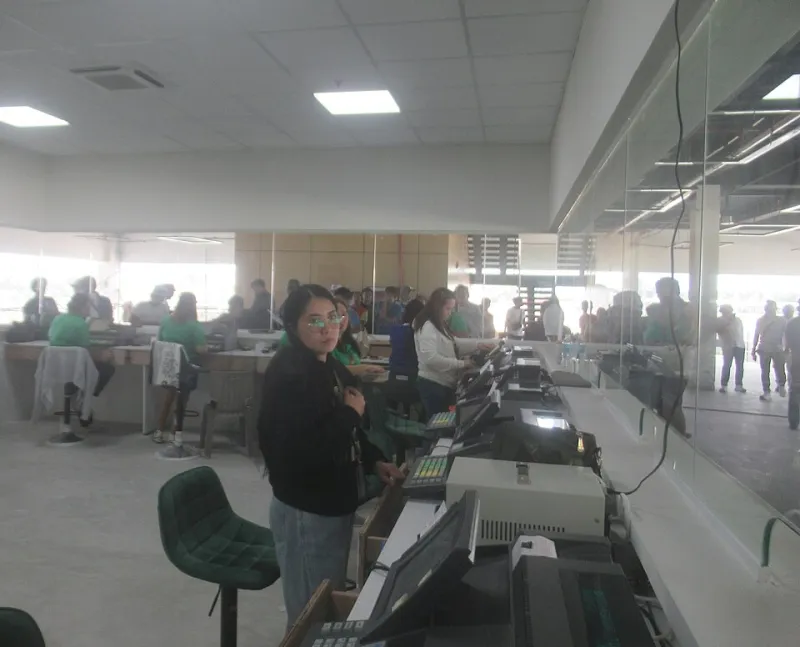
Photo: P1898, CC BY 4.0, via Wikimedia Commons
US bettors in 2026 are not short of picks. They are short of filters. A phone can deliver a tout alert before breakfast, a social-media lock by lunch, and a boosted parlay by kickoff. The Czech betting-shop tradition that informs Merkur XTip Guide begins from a different habit: treat a tip as a claim to be checked, not a command to be followed. In a Czech terminal, the odds board is visible, the stake is deliberate, and the transaction is finished at the counter. That pragmatism translates well to US sportsbooks, where the interface is faster and the persuasion is louder. The five questions below form a screening ledger. They do not guarantee a winning bet; they simply separate a defensible pick from a trap dressed as an opportunity.
1. Is the Price Still Defensible?
A pick is not just a side or a player; it is a side or player at a price. Ask whether the number you are being offered still represents the probability you assign to the outcome. If a tout promotes an NFL favorite at -170 but the market has moved to -210, the tip may be sound in direction and poor in price. The same applies to NBA spreads: a recommendation made at -3 is not the same wager at -5.5. Czech betting-shop pragmatism is blunt here: the board is the board. US bettors should compare the current line across at least two sportsbooks, note the best available number, and decline the wager when the edge has been consumed by movement. A boosted parlay deserves extra scrutiny because the boost often hides a correlated risk or a reduced base price.
2. Does the Sample Support the Claim?
Social-media handicappers often present a short winning run as a system. Ask how many decisions sit behind the record, whether the picks were published before the events, and whether the results include the prices actually available. A 7-3 run in NFL Week 8 of the 2026 season is not a track record; it is a fortnight. A larger sample, with closing-line comparison and transparent staking, is more useful. NBA player props are especially vulnerable to small-sample storytelling: a bench player may clear a rebounds line in three straight games and still have a fragile role. The Czech-style question is practical: what evidence would change my mind? If the answer is nothing, the tip is a belief system, not an analysis.
3. What Is the Line Telling You?
Line movement is not automatically informative, but it is rarely silent. If a tout’s lock is moving against the recommended side, ask why. Injury news, weather, lineup changes, and sharp money can all move a number before a US bettor sees the alert. In the NFL, a spread that crosses a key number such as 3 or 7 has changed in a meaningful way; in the NBA, a player prop that moves after a starting-lineup update may be reacting to real information. Czech betting terminals encourage a look at the board before the slip is printed. US bettors should do the same: check whether the line has moved with the tip, against it, or not at all. Movement is a signal to investigate, not a reason to chase.
4. Is the News Actually New?
Injury reports, trade rumors, and coach comments can create urgency, but urgency is not the same as advantage. Ask whether the news is already reflected in the price. A star quarterback listed as questionable on a Friday may be priced into the market by Saturday; a late scratch in the NBA may create a genuine edge only if the sportsbook has not adjusted. The Czech betting-shop habit is to separate the story from the number. US bettors should verify the source, check the timestamp, and confirm that the relevant market has not already moved. If the tout is selling inside information that is available on a public injury report, the only thing being sold is speed.
5. Does the Stake Fit the Plan?
The final question is the one most likely to be skipped. A defensible pick at an indefensible stake is still a bad bet. Before following any tip, decide the stake as a percentage of a pre-committed bankroll, not as a reaction to confidence. Czech terminal culture tends to make the stake visible and final; US betting apps make it easy to increase with one tap. A useful rule is to write the stake before opening the bet slip and to treat any urge to chase a loss as a stop signal. If the tip cannot survive a standard stake, it is not a tip worth taking.
The Ledger, Not the Megaphone
The Merkur XTip Guide perspective is not anti-tip. It is pro-verification. A tip-first mindset works only when the tip is subjected to price, sample, line, news, and stake checks. In 2026, US bettors have more access and more noise than ever. The ledger is a quiet response: five questions, asked before the bet slip, with the discipline to walk away when the answers do not hold. That is not a guarantee of profit. It is a practical way to keep the decision yours.