The Settlement Compass: Cash-Out Decisions for US Bettors, Czech Betting-Shop Style

Photo: sportsbook cash out button smartphone betting ticket, via i.kym-cdn.com
Cash-out is one of the most seductive buttons on a US sportsbook. It promises certainty in an uncertain wager, and it appears exactly when the pulse is loudest. Czech betting-terminal culture treats settlement differently. In a betting shop, the ticket is a commitment; cashing out early is a deliberate administrative act, not a reflex triggered by a bad half. That distinction is useful for US bettors facing cash-out offers on NFL spreads, NBA player props, and soccer moneylines in 2026. The question is not “Am I nervous?” but “Has the reason I placed this bet changed?” A compass helps: lock in, let it ride, or leave it alone.
The Terminal Lesson: Settle by Plan, Not by Pulse
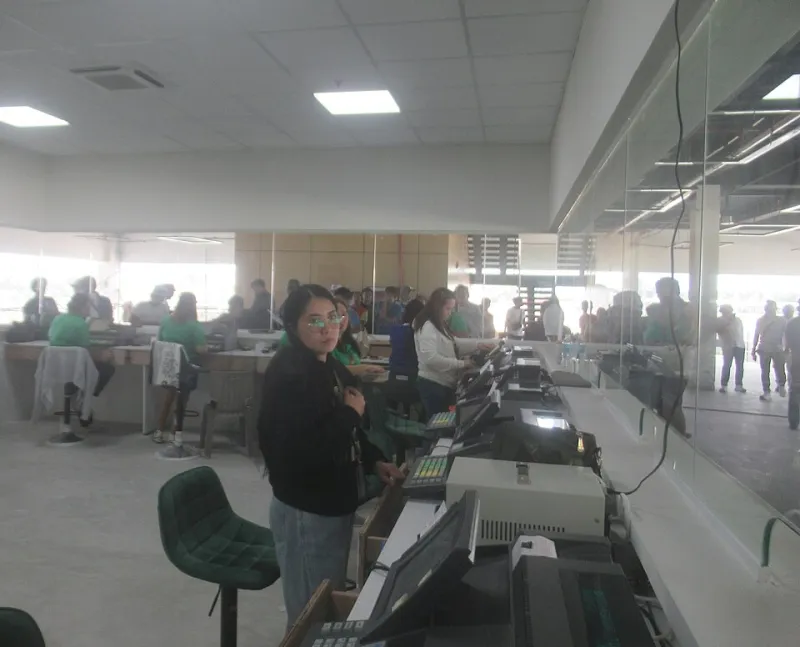
Czech betting shops are not temples of restraint, but they do impose a certain rhythm. The odds board is public, the slip is written, and the stake is handled at the counter. The environment slows the decision enough for the bettor to remember the plan. US apps accelerate everything. Cash-out offers refresh in real time, often with a headline value that feels generous. But the offer is a new transaction: you are selling your position at a price set by the operator. That price includes a margin. Responsible gambling does not require refusing every cash-out; it requires knowing why you are accepting one. If the answer is “because I am watching and I feel sick,” the button is being used as an emotional regulator, not a financial tool.
Three Questions Before You Tap
First, what was my original thesis? If you bet an NFL underdog because of a defensive matchup, and that matchup remains intact, cash-out is usually a price decision rather than a verdict on the bet. If the thesis is broken, exit can be rational. Second, what information has actually changed? A score is information, but it is not the only information. Injuries, lineup changes, weather, red cards, and foul trouble matter more than the emotional weight of a bad quarter. Third, what does the cash-out price imply? Compare the offer with the plausible remaining outcomes. If the offer is far below the value you still hold, leaving it alone may be better. If it protects a predetermined bankroll goal, locking in can be responsible.
NFL Spreads: Protecting a Position vs. Abandoning an Edge
Imagine a 2026 NFL bet on an underdog at +6.5. The underdog leads by 10 at halftime, and the sportsbook offers a cash-out that locks a modest profit. The offer may be sensible if the original handicap was based on a narrow edge that has already been realized. But if the thesis was about pace, offensive line health, and a defensive matchup that still favors the underdog, the cash-out may be selling a position that remains strong. Conversely, a favorite at -3 that trails by seven at halftime due to a fluke turnover may generate a poor cash-out offer because the market has overreacted to the score. Ask whether the score has changed the underlying probabilities as much as it has changed your heart rate. In NFL games, key numbers and fourth-quarter possession matter; a third-quarter cash-out offer often prices the remaining game conservatively.
NBA Player Props: Volatility Is Not Always a Reason to Exit
Player props are volatile by design. A star can be limited by foul trouble, a coach can bench a starter in a blowout, or a backup can absorb minutes. Cash-out offers on props often appear early and carry a wide margin. If you bet a player’s points over 24.5 and he has 18 at halftime, the offer may be tempting; but the original thesis of usage rate, matchup, and pace may still be intact. The responsible question is whether the role has changed. An injury to a teammate can increase usage; foul trouble can reduce it. Do not cash out merely because the stat line is behind. Cash out when the information that drove the bet has been invalidated, or when the offer protects a pre-set loss limit.
Soccer Moneylines: The Clock Is Information, Not an Instruction
Soccer moneylines are a useful test because the clock changes the value of a position. A team leading 1-0 in the 75th minute is not the same bet it was at kickoff. A cash-out offer may be attractive, but the operator knows the clock too. If you backed a draw or an underdog, a late goal can flip the result; if you backed a favorite, the remaining risk may be smaller than the offer suggests. Czech betting-shop culture is familiar with the finality of the ticket: once the match ends, the position is settled. The cash-out button is a way to settle early, but it is not a way to avoid uncertainty for free. Compare the offer with the plausible remaining outcomes, and remember that soccer’s low-scoring nature makes late goals disproportionately important.
When Leaving It Alone Is the Responsible Choice
Leaving a bet alone can be the most disciplined action. If the original thesis is intact, the price was fair, and the stake was sized to a plan, a cash-out offer is often an unnecessary transaction that transfers value to the sportsbook. This is especially true for small-stake bets where the cash-out margin is large relative to the potential profit. Responsible gambling does not mean maximizing every exit; it means avoiding decisions made under distress. If you cannot articulate why the offer is better than the position you hold, leave it alone.
A Compass, Not a Panic Button
The Czech cash-out compass points in three directions. Lock in when the offer protects a predetermined bankroll goal or when new information has broken the original thesis. Let it ride when the thesis remains intact and the price is fair. Leave it alone when the offer is a reaction to volatility rather than a response to information. US sportsbooks will keep offering the button in 2026; the skill is to make it a planning decision. If cash-out has become a habit rather than a choice, pause and use the responsible-gambling resources available through Merkur XTip Guide. The bet should fit the plan, not the pulse.